Marrow-Washing Qigong
The Ancient Tao Tradition of Inner Cultivation, Energy Balance, and Spiritual Discipline
THE ORIGIN
The Origin of Marrow-Washing Qigong
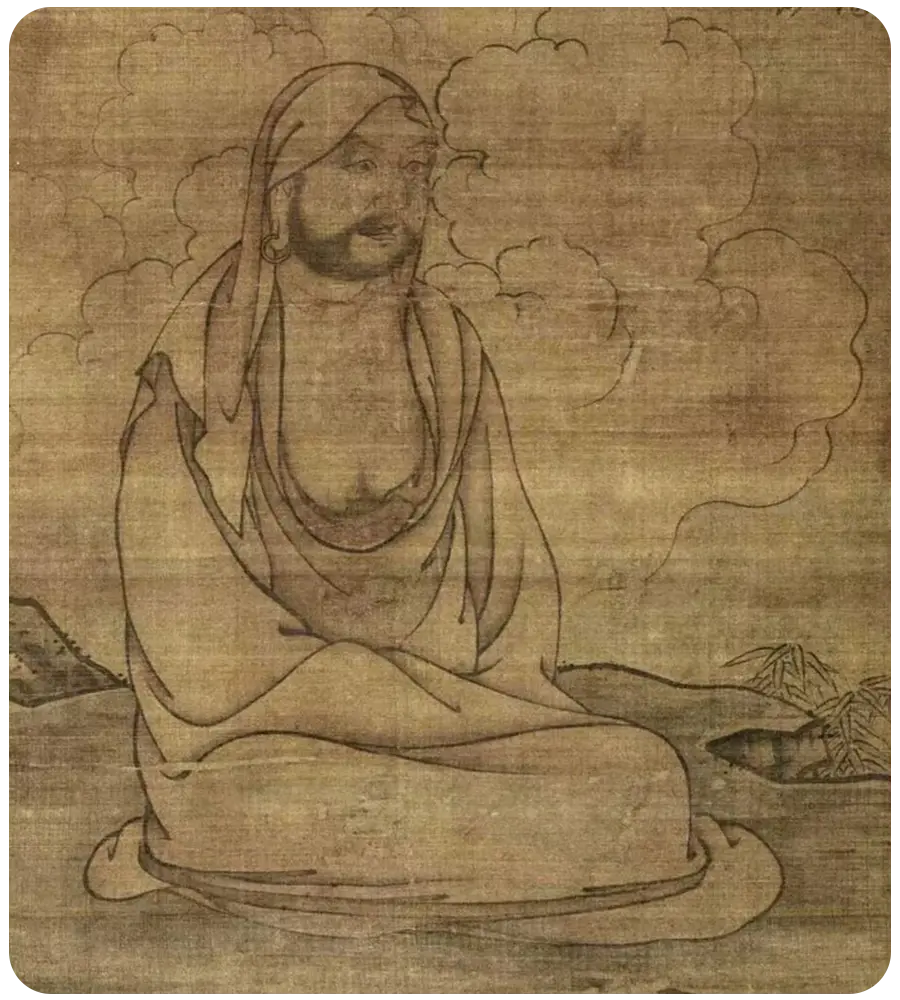
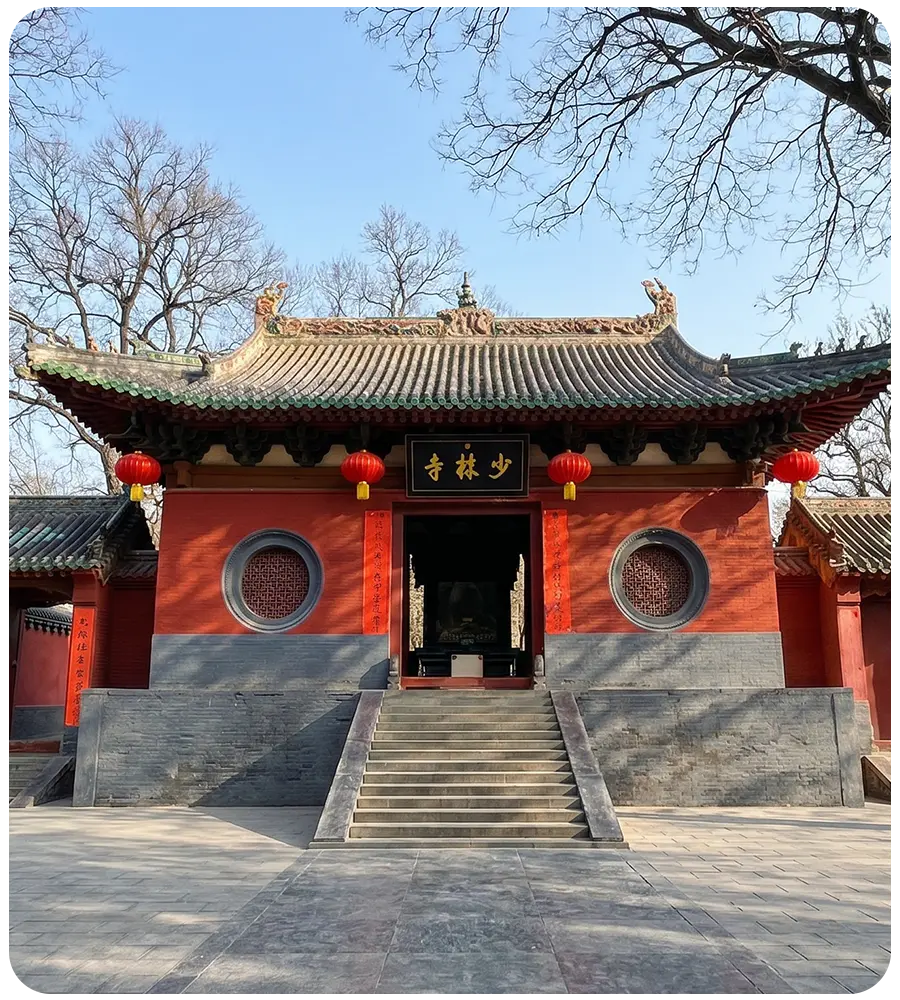
Legend has it that more than 1,500 years ago, Bodhidharma traveled from South India to China and eventually settled at the Shaolin Temple on Mount Song.
He observed that although the monks diligently chanted scriptures, many suffered from weak physical condition. To strengthen both body and mind, he developed cultivation methods designed to improve vitality and spiritual discipline.
Ancient Wisdom
Timeless Taoist principles passed through generations.
Shaolin Tradition
The rigorous discipline of the mountain monks.


Inner Calmness
Mental Clarity
The Tao Philosophy
"True balance begins within. When breathing becomes calm, the mind becomes clear, and the body gradually returns to natural harmony."
Physical Balance
Spiritual Focus

Preserving Tradition
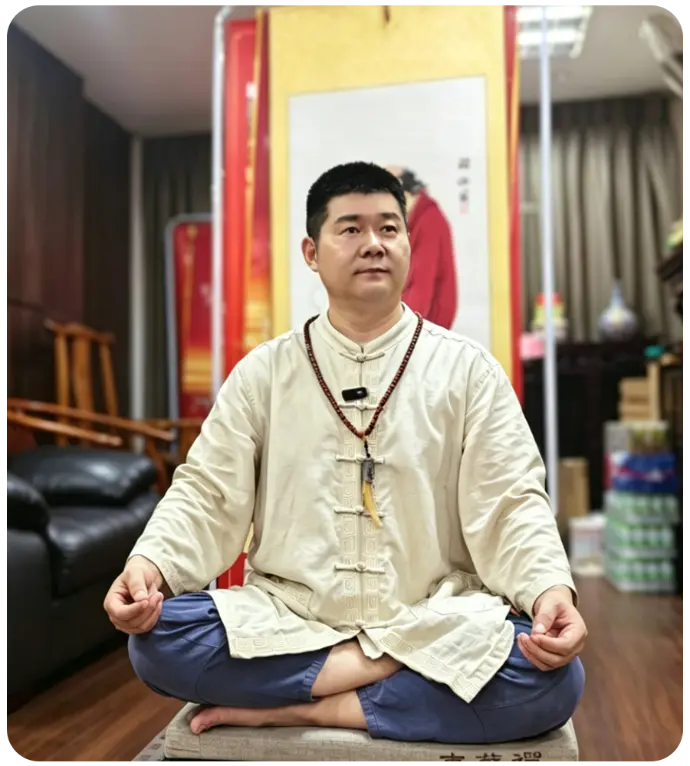
Master Yan Jun
"The path of cultivation begins with discipline and ends in inner harmony. We bridge ancient wisdom with the modern understanding of wellness."
"True strength is not found in the muscle, but in the marrow."
Instructions for Practicing Stillness
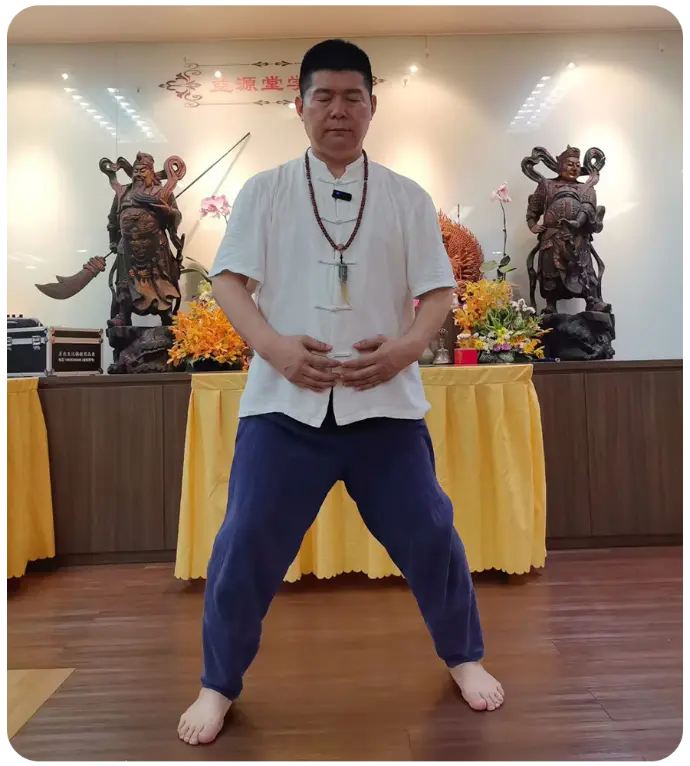
Standing practice is often misunderstood as simple inactivity. In reality, it is a profound internal engagement requiring patience, discipline, and relaxation.
Deep relaxation from bones to muscles
Focus energy within the Dantian
Restore the central nervous system

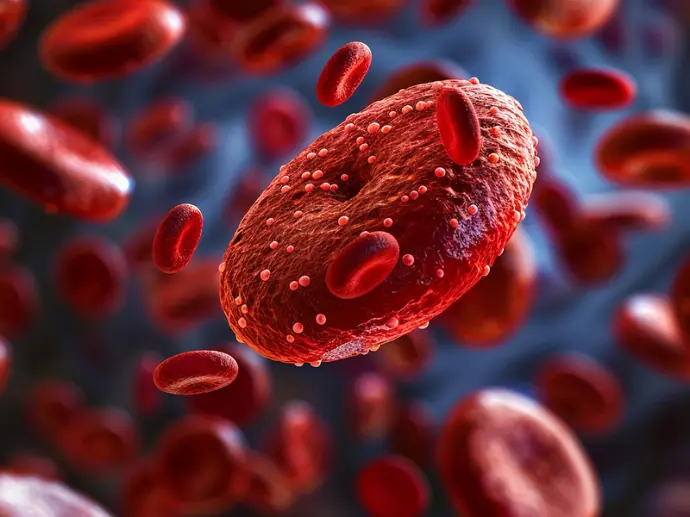
High Pressure
High Lipids
High Sugar
Modern Health Wellness
The "Three Highs" Problem
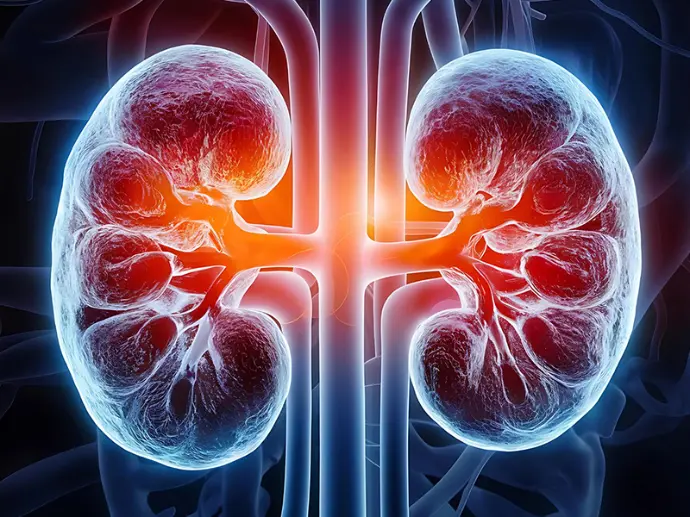
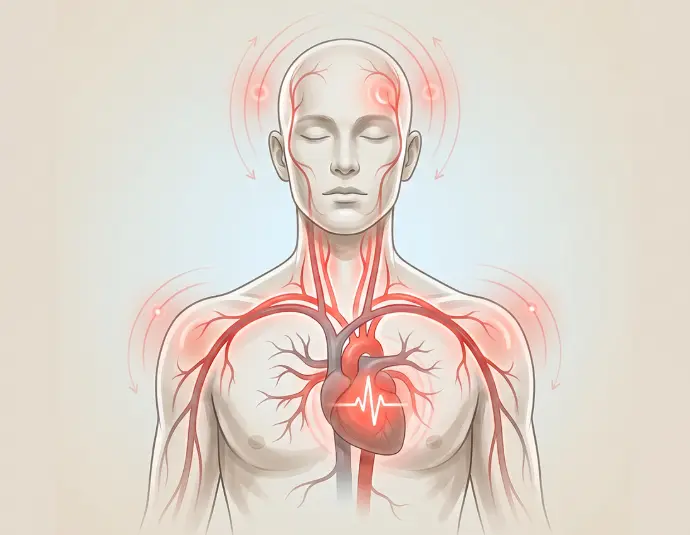
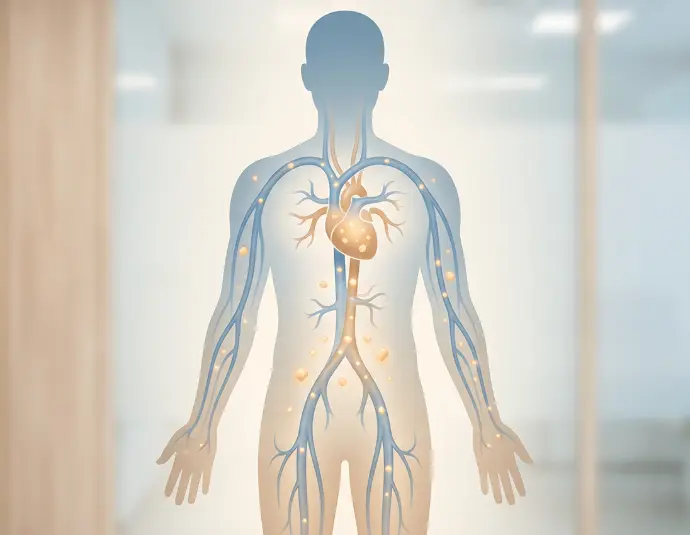
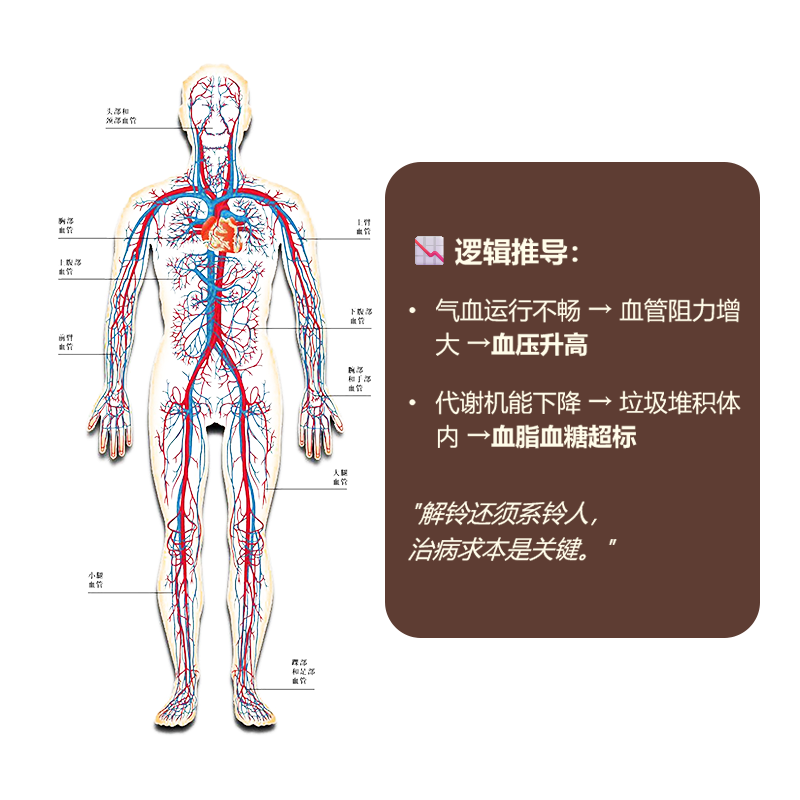
According to traditional theory, modern chronic concerns arise from long-term imbalance in circulation and stress regulation. When vascular resistance increases and waste accumulates, the body's deeper harmony is lost.
Cultivation emphasizes improving overall balance, breathing quality, and recovery capacity rather than just temporary symptom management.
The Path of Development
A Five-Step Transformation
Foundation
Understanding posture, breathing, and awareness.
Breath & Focus
Developing concentration and internal rhythm.
Energy
Learning balance and circulation practices.
Deep Cultivation
Advanced meditative and disciplined training.
Inner Harmony
Integration of body, breath, awareness, and balance.
Real Stories and Real Transformations
Whether a set of exercises can be truly implemented depends on its inheritance and effectiveness.
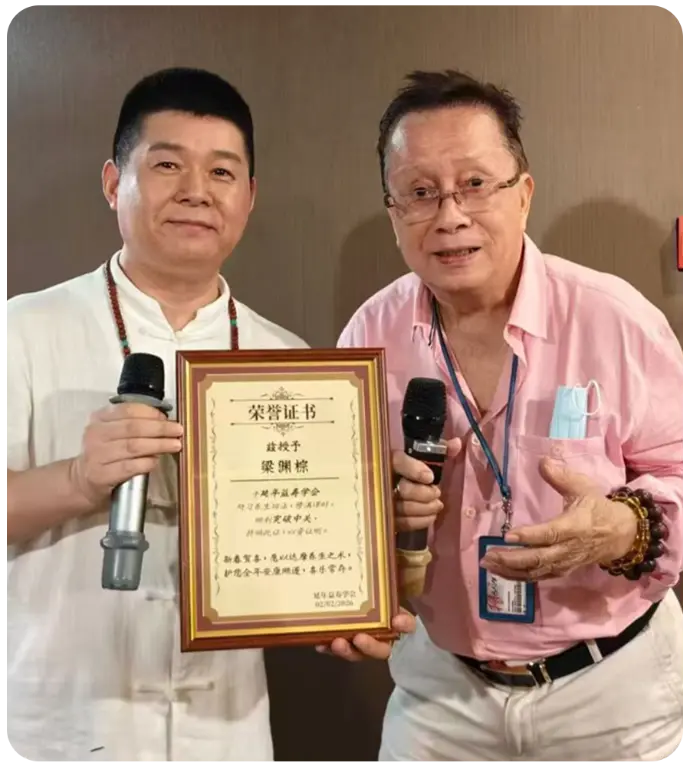
Brother Liang Yuanzong, at the age of 92, followed his master to practice. When he first started practicing, he suffered from loss of control over urination and had many physical problems. He even thought about giving up, but he persevered and now all his problems have been resolved, and even his sexual ability has returned.

My master didn't give up on me.
At the 2025 Singapore Marrow Cleansing Gong Fellowship Annual Meeting Dinner, he said excitedly, "It is because Master did not give up on me that I am who I am today."
Brother Liang
93 years old, Singapore
Frequently Asked Questions
No. This is an informational framework that interprets traditional Shaolin principles attributed to Bodhidharma into a modern system-thinking model.
It is not religious instruction.
Qi is treated as a conceptual representation of internal system flow, not a supernatural force.
It maps to:
- physiological circulation
- nervous system balance
- cognitive energy distribution
No.The model includes interpretations of modern conditions (stress, pressure, metabolic imbalance) only as system analogies, not medical diagnosis or treatment.
Breath regulation is interpreted as a primary system input control mechanism:
- stabilizes internal rhythm
- reduces cognitive noise
- improves attention continuity
Bodhidharma is historically associated with early Shaolin meditative discipline systems at Shaolin Temple.
This framework uses that reference as a foundational conceptual origin point, not myth expansion.
As a:
conceptual learning model
awareness framework
structured interpretation of internal balance
Not as:
medical guidance
physical treatment protocol
religious doctrine
“Internal system” refers to:
- breath regulation layer
- structural posture layer
- cognitive attention layer
- behavioral output layer
Combined, they form a multi-layer human system model.
It is inspired by traditional Shaolin concepts, but restructured into a modern system-thinking interpretation layer for informational presentation.
Contact us
如有任何关于我们公司或服务的疑问,欢迎联络我们。
我们会尽快回复您。